
Imagine you’re closing a big client deal. You shake hands, pop the champagne, but weeks later, confusion over delivery dates blows it up. That vague contract clause turns friends into foes overnight.
It’s happening more now. AI disruptions double mentions on earnings calls, while 2026 tariffs hit 13.7% on average, the highest since the 1930s. These pressures make deals riskier; studies point to common pitfalls like vague terms, wrong assumptions, bully tactics, internal misalignment, and poor processes as top reasons negotiations fail.
You see it in sales pitches that bomb from bad reads on buyer needs, business talks stalled by team disconnects, or even personal buys where pushy sellers kill the vibe. The good news? Simple fixes exist.
In this post, you’ll get proven steps with real examples from sales, business, and everyday life to solve negotiation issues. Stick around, and you’ll close better deals without the drama. First, let’s break down those common negotiation problems.
Stop Vague Terms from Wrecking Your Deals Before They Start
Vague terms kill deals fast. Words like “reasonable efforts” or “best endeavors” sound nice, but they spark fights because everyone defines them differently. In business contracts, sales goals, or even home buys, these fuzzy phrases lead to court battles or lost trust. Take upcoming 2026 tariffs at 13.7%, the highest since the 1930s. They already strain supply chains, so unclear delivery terms turn small mix-ups into big disputes. A recent insurance case shows this: a company fought over “exhaustion” in a policy after bankruptcy. The court called it ambiguous and ruled against the insurer, forcing payouts. Learn more about ambiguous terms sparking disputes. You can fix this with sharp definitions upfront. For example, swap “prompt delivery” for “within five business days.” In sales, one rep saved a $50K deal by clarifying “flexible payment terms” as “net 30 days.” Preparation matters now, especially with AI shifts and chain chaos. Let’s spot those red flags first.
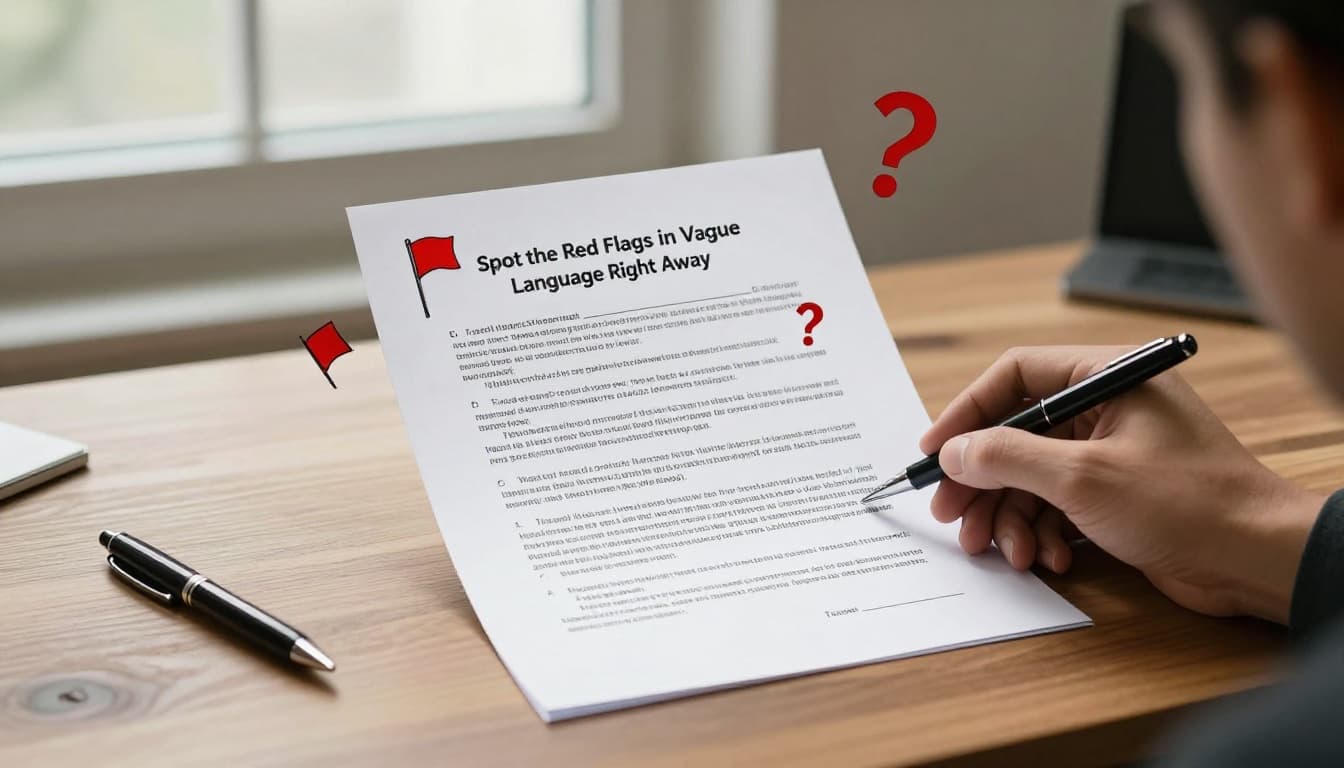
Spot the Red Flags in Vague Language Right Away
You spot vague terms by their wiggle room. They lack numbers, dates, or clear actions, so parties argue later. This hits business hard, like in service contracts where “satisfactory performance” ends in lawsuits. Sales teams lose commissions over “aggressive targets.” Even personal deals flop, such as a car sale with “minor repairs” that balloon into thousands.
Here’s a quick scan of common culprits:
| Vague Term | Why It Causes Trouble | Example in Action |
|---|---|---|
| Reasonable efforts | No metric for “reasonable” | Vendor promises it but misses deadlines; client sues for breach. |
| As soon as possible | Timeframes shift based on opinions | Supplier delays shipment; buyer cancels over “unmet urgency.” |
| Material adverse change | “Material” means different things | Deal falls apart in volatile markets like 2026 tariffs. |
| Standard industry practices | Varies by region or competitor | Service provider skimps; you pay extra for basics. |
| Best efforts | Subjective push level | Sales goal unmet; team blames unclear quotas. |
These flags waste time and money. Courts often side with the non-drafter, as in a 2026 AI licensing fight where fuzzy rights led to drawn-out battles. Scan contracts early to dodge this.
Craft Terms That Stick: Your Easy Checklist
Clear terms build solid deals. Use this step-by-step checklist to nail them every time. Start with specifics; avoid fluff.
- Define key words upfront. List terms like “delivery” as “complete by 5 p.m. ET on the fifth business day after order.”
- Add numbers and dates. Replace “soon” with “within 48 hours.” Set “90% uptime monthly” for services.
- Test for multiple meanings. Read aloud; ask, “Could they twist this?” Fix gaps.
- Include examples and limits. Note “response times: email under two hours, phone under 30 minutes.”
- Flag auto-renewals or caps. Call out “renews unless 60 days’ notice; liability up to contract value.”
Phrases to ditch: “fair,” “adequate,” “prompt.” Swap for winners like “exactly,” “no less than,” “by [date].”
Before: “Party A will use reasonable efforts to deliver services.”
After: “Party A will provide SaaS access with 99.5% uptime, measured monthly via third-party tool, or credit 10% of fees.”
Involve a lawyer early for red flags, especially in shaky markets. One sales team did this and turned a vague vendor deal into a bulletproof one, saving six figures in disputes. Follow these steps, and your negotiations close stronger. See a full contract drafting checklist.
Quit Guessing Their Needs: Listen to Build Win-Win Deals
You often guess what the other side wants. That kills deals because lowball offers ignore what they value most, like quality over price. In sales, reps assume tight budgets and slash prices. Buyers walk when speed or support matters more. Personal talks flop too, such as family budget fights where one side overlooks shared goals. Now, 2026 tariffs at 13.7% hike costs, so price battles rage. AI shifts freeze budgets further. Focus on shared wins instead. Ask open questions. Listen actively. Explore real interests. You trade faster delivery for a higher price in sales. In family chats, you uncover priorities like saving for college. Prepare questions ahead. Paraphrase to confirm understanding. Harvard experts stress this: dig past positions to interests for better outcomes.
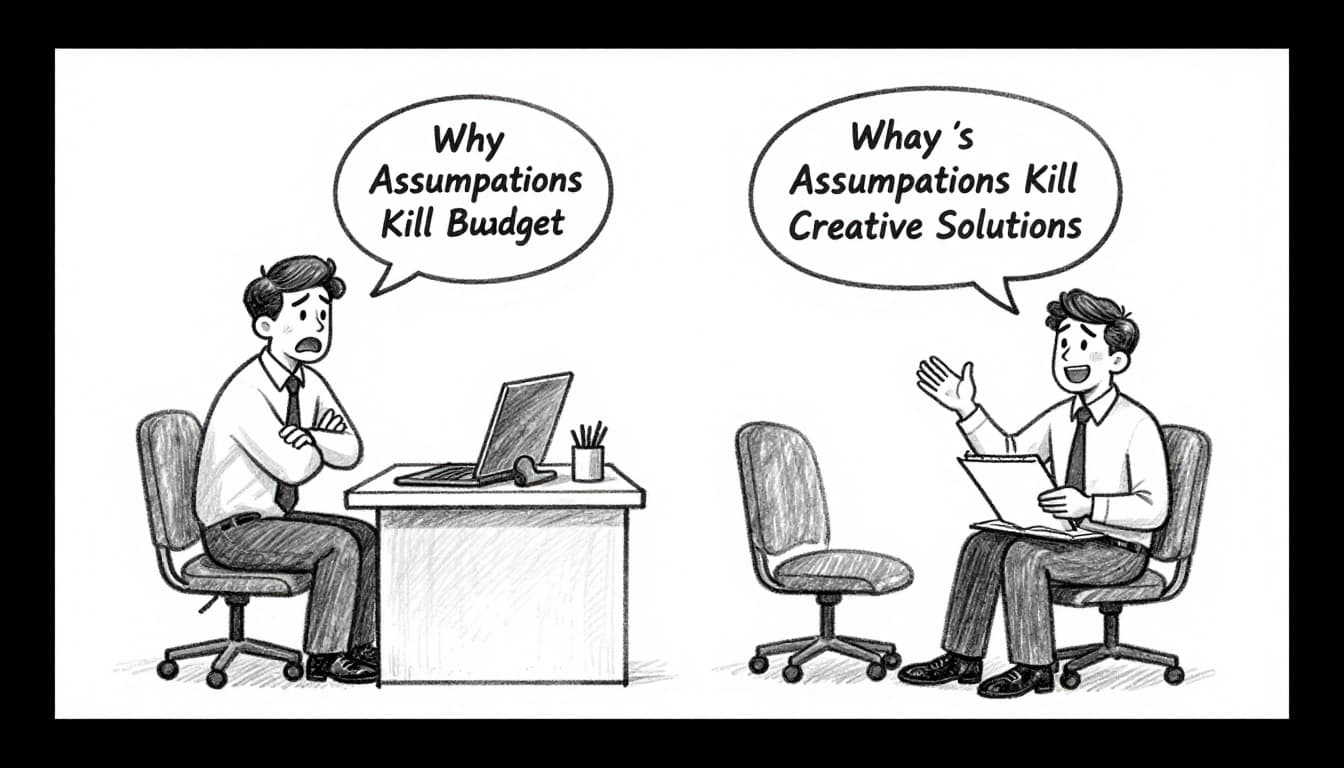
Why Assumptions Kill Creative Solutions
Assumptions block smart fixes. You guess their budget or limits. Then, you pitch wrong and lose. Take a 2026 software sales example. A rep chased a mid-market firm amid tariff-driven budget cuts. He assumed low funds, so he offered a deep discount on a basic plan. The buyer rejected it fast. They had room for premium features but needed faster rollout to beat rivals. Deal slipped 40%, like many that year from forecast errors. Sales cycles stretched as buyers froze spending.
Listen instead. Another rep asked about timelines first. The buyer shared tariff worries and rush needs. He bundled quick setup with the full suite at full price. They signed, happy with the fit. Result? Win-win.
Tariffs worsen this. Firms pass 15% hikes to buyers, who push back hard. Guessing leads to stalls. Listening reveals trade-offs, like flexible payments for volume.
This approach uncovers hidden value. Courts even rule against vague assumptions in disputes. Shift to questions now, especially in tough markets.
Question Scripts That Reveal Hidden Wants
Prepared questions pull out real needs without prying. Use them early, then paraphrase back: “So, speed tops your list because…?” This builds trust. Nod and pause. Avoid rapid fire; space them naturally. Harvard’s Program on Negotiation calls this key to win-wins. See their guide on listening skills.
Here are seven that work in sales, business, or personal talks:
- What matters most to you right now in this deal?
- Why does that timeline feel urgent?
- What would make this a no-brainer for your team?
- How do tariffs or costs affect your priorities?
- What trade-offs have you considered already?
- Walk me through a past deal that went well; what made it click?
- If price weren’t an issue, what else would seal it?
In sales, ask the timeline one during a demo. Buyer says “ASAP.” Paraphrase: “You need it running before Q2 tariffs hit?” Trade priority access for margins. Family budget? “What worries you most about expenses?” They reveal college funds. Offer cuts there first.
Practice these. They turn guesses into gold. Buyers open up when heard. Deals close faster, stronger.
Handle Bully Tactics Without Losing Your Cool or the Deal
Bullies test your limits in talks. They hit with wild demands or dead silence to rattle you. Tough talk sparks ego clashes that stall deals, especially now. Tariffs average 14% in 2026, so supply chains strain and costs climb. Buyers push harder; sellers dig in. M&A booms add pressure too. You keep cool because reactions decide wins. Breathe deep. Focus on goals. Acknowledge their point first. Then offer trades that help both sides. Sales reps close bigger by doing this. You can too.
Signs You’re in a Bully Negotiation Trap
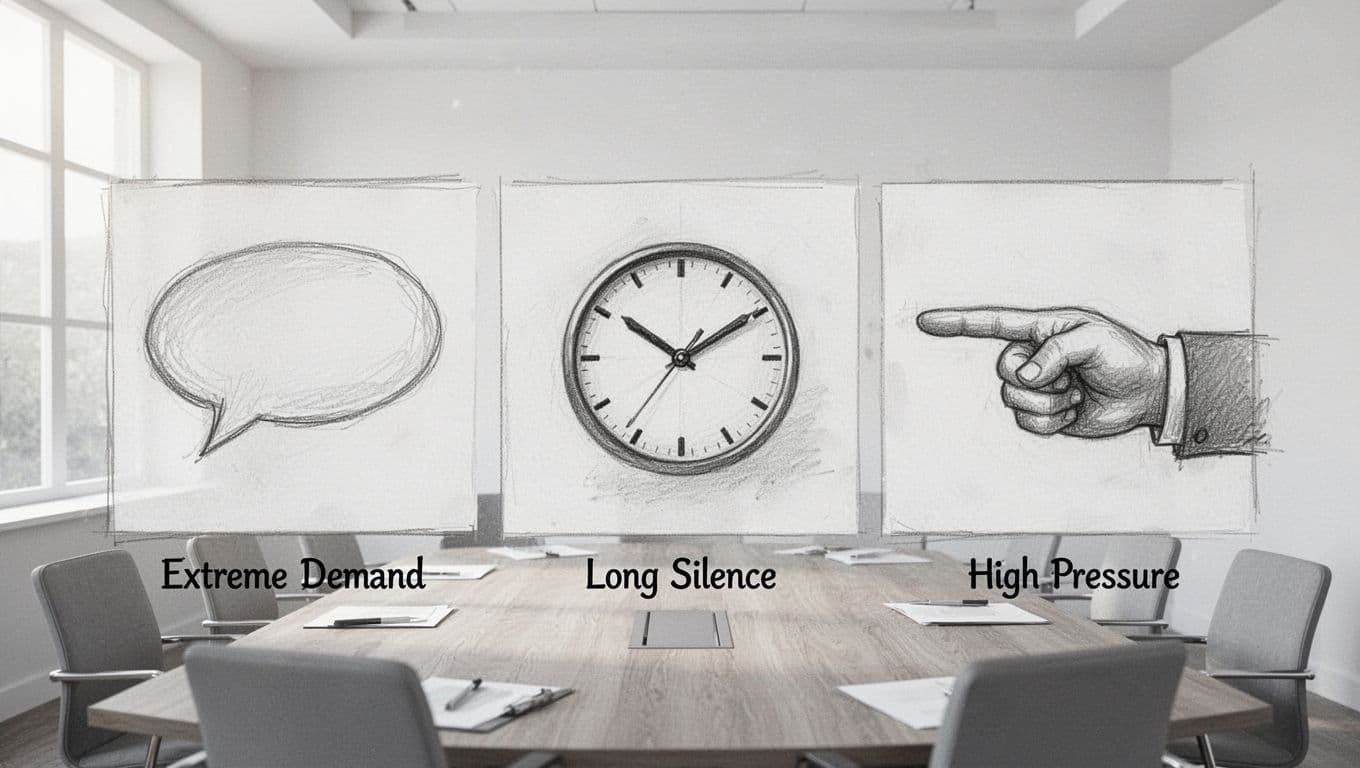
Spot bullies early to stay ahead. They start with extreme demands, like slashing your price by 50% when bids sit at 20%. This anchors low and wears you down. Silence follows. They stare after your counter, forcing you to fill gaps and concede. Pressure builds next; they tap tables or say “take it or walk.” Threats pop up too, such as “no deal means we go elsewhere fast.”
These rise because markets tighten. Tariffs force quick supplier shifts, so parties fear losses. Geopolitical tension fuels ego fights in defense or energy deals. Trump-style anchoring shows in big trades like USMCA, where threats won better terms. Yet bullies backfire often; they kill trust and block fixes.
Watch body language too. Leaning in aggressively signals control grabs. Pause then. Step back if needed.
Calm Comebacks That Flip the Script
Ready scripts disarm bullies fast. They acknowledge feelings, then pivot to mutual gains. Practice them; they build confidence. Use a steady tone. Smile if it fits.
Here are five that work across sales, business, or personal talks:
- On extreme demands: “I see you need a sharp discount to make this fit your budget. What if we stretch the contract to two years for that rate?” This validates them, then trades volume for price.
- Against silence: “Looks like you’re thinking it over. Tell me, what holds you back most right now?” It breaks quiet, shifts focus to their real issue.
- For threats: “Walking away hurts us both since timelines tighten with tariffs. Let’s find a middle path on delivery instead.” Points to shared pain, opens doors.
- High pressure: “Pressure makes sense with costs up 14%. How about priority support to offset that?” Matches urgency, adds value.
- Aggressive tone: “Your point lands; speed matters here. Can we lock faster rollout if volume hits targets?” Agrees partially, counters with upside.
Role-play a sales example. Buyer demands 60% off amid tariff hikes. You say script one. They pause, then agree to longer terms. Deal saves margins.
In my salary talk last year, boss pushed low. I breathed, used script three: “I get budget limits. Extra duties for that bump work?” We settled higher.
These flip power back. Avoid fights; prove wrong loses deals. For more on bully psych, check tactics to outsmart them. Stay calm, and bullies fold.

Fix Team Misalignment So Your Negotiations Don’t Drag On
Your team fights over terms inside the office. Then, you face the client with rigid demands. Deals stall because everyone pulls different ways. This happens a lot in sales and business talks, especially with 2026 tariffs pushing for fast moves. Internal chaos kills momentum. Buyers sense the disconnect and walk. You fix it by aligning early. That speeds closes and builds trust. Let’s see how misalignment drags things out first.
How Internal Chaos Bleeds into External Talks
Picture this. Your sales lead wants a strict price floor. Finance demands volume guarantees. Legal adds escape clauses. You argue for hours internally. By meeting time, you offer no-trade terms. The client balks at the lack of flex. Deal drags two months, then dies.
Stats show the cost. Misaligned teams waste up to 20% of payroll on pulled efforts. They spend 40% more time in meetings relitigating issues. Projects restart 30% more often. Decision speed drops 50% as firms grow without fixes. In 2025 reports, only 27% of leaders see goal alignment; employees say 9%. Tariffs make it worse because delays compound costs.
Here’s the breakdown:
| Cost Area | Impact of Misalignment |
|---|---|
| Wasted effort | Up to 20% of payroll |
| Meeting time | 40% more on decisions |
| Project restarts | 30% higher |
| Decision speed | 50% drop with growth |
| Turnover | 40% higher |
These numbers hit negotiations hard. You restart talks over conflicting signals. Clients lose patience fast. One firm haggled price inside, lost a supplier deal outside amid tariff hikes. Alignment prevents that bleed.

Build a Flexible Team Playbook
Start with a shared playbook before talks begin. Everyone agrees on goals, walk-away points, and trade zones. That cuts internal fights. During the deal, check in quick without full huddles. Harvard experts say limit issues to key trades like price for volume. See their tips on team frames.
Treat your negotiator as a problem-solver. Give flex on non-essentials, like delivery swaps. Strict floors kill trust; ranges build wins. Negotiate less inside by pre-setting boundaries.
Follow these steps for alignment:
- Hold a pre-talk huddle. List must-haves, nice-to-haves, and no-gos. Rank priorities together.
- Set trade rules. Decide what swaps for what, such as 10% price cut for two-year lock-in.
- Pick signals. Use phrases like “I’ll check bandwidth” for quick team pauses without stalling.
- Define roles. Lead speaks; expert nods on tech; finance flags numbers only.
- Review post-round. Note wins, adjust playbook fast.
This works for company deals or group buys, like family vacations. One sales team used it amid tariffs. They traded setup speed for margins, closed 20% faster. Playbooks turn chaos into speed.

Revive Dead Talks: Skip Ghosting for Always-On Momentum
Talks die when you stop responding. You win arguments on facts, but the other side ghosts you anyway. Deals stall because slow processes let emotions take over. In sales or real estate, one rejection without a counter kills momentum. Yet 2026 tariffs push costs up 9 to 16%, so you need speed now. Buyers delay amid uncertainty; sellers lose ground fast. Fix this by countering every offer and using data. That keeps talks alive and closes stronger. You avoid merit fights that waste your best points.
Why Poor Processes Waste Your Best Arguments
Poor processes turn strong cases into dust. You fight to prove you’re right on price or terms. Then silence hits; no one moves. Dead dialogues follow because no one counters. In sales, reps share data but wait for replies that never come. Real estate sees it too: low offers sit unanswered, buyers walk.
For example, a home seller gets a bid 15% under ask. They argue market comps instead of countering. Buyer ghosts after days. Deal gone. Tariffs add pressure; import hikes make buyers picky. You focus on “winning” facts, but deals need action.
Common pitfalls stack up:
- Merit fights: Endless debates on who’s correct. Emotions rise; progress stops.
- No counters: Rejects land without pushback. Other side assumes disinterest.
- Slow checks: Long approvals drag talks. Stakeholders misalign inside.
These waste time. Harvard notes quiet failures cost more than blowups. See why negotiations fail. Processes matter because volatility demands quick pivots.

Shift focus. Prioritize motion over proof. That revives talks fast.
Speed-Up Strategies That Keep Deals Alive
Counter everything to build momentum. Never let a reject sit. Align your team early too. Then pull in data on costs. 2026 tariffs average 9 to 16%; use tools to model hits. Yale Budget Lab offers free trackers for rates and price effects. That shows buyers real impacts, speeds agreement.
Start with rules that work everywhere. Always counter because silence signals no. In real estate, that home seller bumped back at 8% under with tariff-adjusted comps. Buyer bit; closed higher. Sales reps do it by emailing “Here’s our adjust: faster delivery for your volume.” Talks restart.
Data tools shine in chaos. Check TariffSight for modeling or Ivalua blogs on supply shifts. Explore tariff impacts on chains. Input your goods; see 10 to 15% hikes. Share charts: “Tariffs add $5K; let’s split via terms.”
Quick tips keep you ahead:
- Prep your BATNA first. Know walk-away options.
- Get stakeholder buy-in pre-talk.
- Counter in 24 hours max.
- Attach one data point per reply.
These cut stalls. HubSpot lists tactics like this for stalled deals. Handle stalled negotiations. You close faster because action beats perfection. Tariffs test this; winners move now.

Conclusion
You started with that nightmare scenario of a deal blowing up over vague terms. Now you know how to solve common negotiation problems like those.
Here’s a quick recap of the five big ones and fixes that win in 2026’s tariff chaos:
| Problem | Quick Fix | 2026 Why It Wins |
|---|---|---|
| Vague terms | Define with numbers and dates | Dodges tariff-driven disputes |
| Guessing needs | Ask open questions, listen first | Uncovers budget shifts from AI |
| Bully tactics | Use calm scripts, trade value | Handles aggressive cost pushes |
| Team misalignment | Build a shared playbook early | Speeds decisions amid supply crunches |
| Dead talks | Counter fast with data | Revives stalls from uncertainty |
Prep your goals and theirs upfront. Then pull in tariff data for leverage. These steps solve common negotiation problems every time.
Pick one fix for your next talk. Share your win in the comments below. You’ll close faster, stronger deals from here on out.