
Picture this. You ask your partner to split chores more evenly. They dig in their heels. The talk turns tense. Resentment simmers.
These standoffs happen in relationships and work deals alike. One side pushes. The other won’t budge. It drains you both. Yet experts like those at the Gottman Institute show about 69 percent of couple conflicts stem from perpetual issues. These deep differences won’t vanish. They build from personalities or values.
Good news waits ahead. You can shift your approach. This post covers mindset changes, need prep, calm talks, and next steps. Follow these, and you’ll ease gridlock without forcing change.
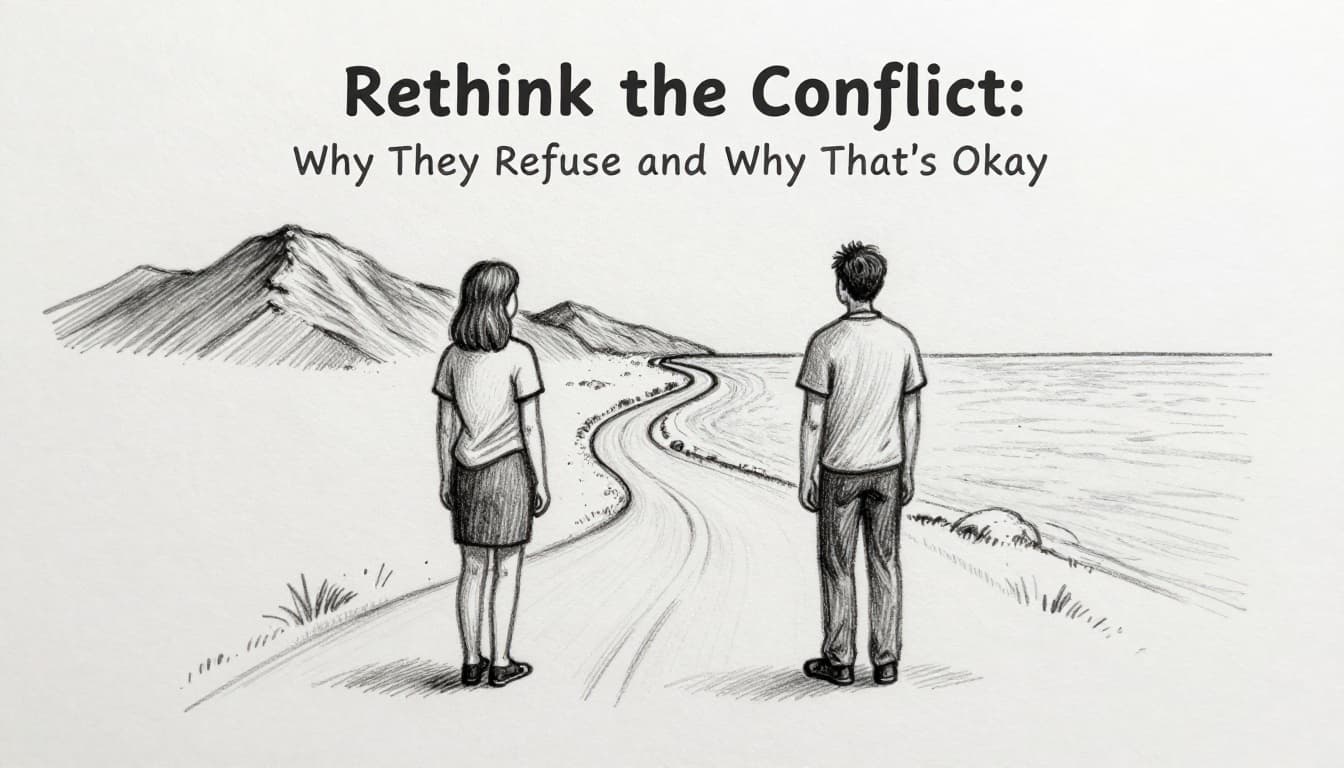
Rethink the Conflict: Why They Refuse and Why That’s Okay
People refuse compromise for real reasons. Core values clash. Past hurts linger. Fears block flexibility. Your partner might see your ask as a threat to their freedom. Or it hits a sore spot from childhood.
That’s normal. Research holds steady into 2026. Nearly 69 percent of fights repeat because of wired differences. Happy couples accept this. They focus on handling clashes well, not erasing them.
Shift your view first. See refusals as signals, not attacks. This frees energy. Stop guilting or arguing. Build empathy instead. Call spats “kerfuffles” from mismatched wiring. It lightens the load.
Spot Your Own Role in the Standoff
Pause and reflect. Do you bulldoze with demands? Or play people-pleaser and resent later? Maybe you nag without hearing them out.
Everyone contributes. Your style might trigger their wall. Ask yourself: What am I doing here? See both sides. No judgment needed. This step builds self-awareness fast.
For example, if you always insist on your timeline, they resist more. Notice patterns. Adjust gently. It softens the whole dynamic.
Embrace Differences as Normal, Not Fixable
Take upbringing gaps. One grew up tidy. The other thrives in mess. Or values differ: adventure versus routine.
These aren’t flaws to fix. Acceptance ends loops. It opens workarounds. Think of it like tastes in food. You don’t force sushi on a steak fan. You cook both.
Couples who embrace this fight less. They laugh about quirks. Energy goes to connection, not conquest.
Clarify Your Needs: Must-Haves Versus Flex Spots
Know your lines before talks. List 2-3 core needs. Tie them to values like respect or rest. These stay firm.
Then spot flex areas. Timing? Small tweaks? Brainstorm options. This prep stops over-giving. It boosts talk confidence.
Gottman calls this key to compromise. Draw circles: one for must-haves, one for dreams. Find overlap. It protects you while inviting them in. Real example: Partner skips date nights. Your core need: closeness. Flex: weekday coffee instead of fancy dinners.

Make Your Personal Needs List
Grab paper now. Write core needs first. Respect? Alone time? Security? Limit to essentials.
Next, flex spots. How can needs meet halfway? Time of day? Method? Keep it short. Review alone. This clarity guides you.
Test it. In a work deal, your must-have: fair pay. Flex: payment schedule. Prep wins talks.
Start a Calm Talk That Builds Understanding
Pick a calm moment. Not mid-fight. Try weekly check-ins. Neutral spot helps.
Open positive. Share two appreciations first. “I love how you handle bills.” “Thanks for cooking last week.” Defenses drop.
State needs with “I feel” lines. “I feel overwhelmed when chores pile up because I need balance.” No blame. Ask: “What’s your view?” Listen fully.
Gottman methods shine here. Empathy uncovers fears. They might fear failure. Or loss of control. This softens them.

Set the Scene for Success
Time matters. After dinner? Walk outside? Avoid tired hours.
Start soft. Smile. Eye contact. “Can we chat about us?” They feel safe. Positives lead. Progress follows.
Listen Deeply Before Pushing Back
Repeat back: “You feel stretched thin too?” Dig why. “What worries you most?”
Active empathy works. Nod. Soften tone. Their stance eases. Yours too. Gridlock breaks.
Still No Movement? Smart Ways to Move Forward Anyway
No budge? Seek workarounds. Manage your side first. They might join later.
Revisit in months. Needs shift. Daily empathy builds bonds. Practice kindness routines.
Know limits. Core needs unmet long-term? Suggest counseling. Or assess fit. Resilience grows from this.
For deeper insights on managing perpetual gridlock, check Gottman resources.

Find Workarounds That Protect Your Goals
Handle your chores solo for now. Schedule solo time. No resentment. Focus forward.
Example: They hate folding laundry. You do it your way. Hire help if possible. Peace returns.
Set Boundaries and Know When to Seek Help
Watch signs: constant criticism? Stonewalling? Deeper issues call pros.
Gentle nudge: “Let’s try a session.” Pros teach tools. Many couples thrive post-help.
Key Steps Forward Without Full Compromise
Rethink clashes as normal. Prep your needs clear. Talk calm with empathy. Use workarounds smartly.
Start small. Pick one step this week. Patience pays off.
Empathy bridges gaps. Even partial wins strengthen ties. Share your win in comments. What worked for you?