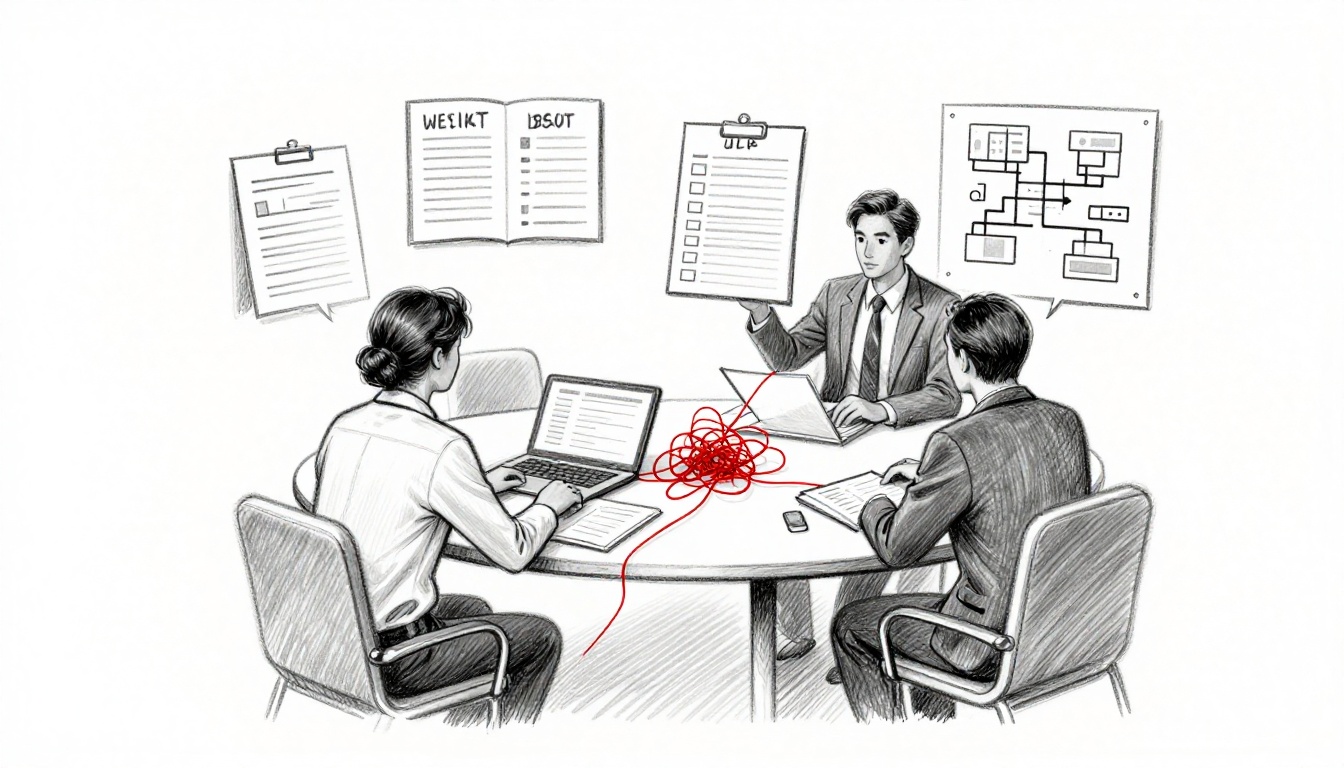
Picture this: Sarah, a salesperson, rushes into a client meeting excited about closing a big contract. She skips checking market rates or her alternatives. The client lowballs her. Panicked, she accepts terms that cut her profit by half. Sound familiar?
Experts agree preparation drives most negotiation wins. Recent ZipDo reports show 51% of failed negotiations stem from poor prep. Another survey finds 70% of negotiators call thorough preparation the top success factor. Yet many skip it and pay the price.
This post breaks down key errors: charging ahead without solid overall prep, ignoring the other side’s needs, and fumbling logistics. Spot these mistakes. Fix them. Watch your deals improve.
Charging In Without Solid Overall Prep
Most negotiators fail right at the start. They dive into talks without mapping goals, strengths, or weaknesses. This leaves them reactive and weak.
Think of the 80/20 rule many experts follow. Spend 80% on preparation, 20% on talking. For example, imagine buying a car. You show up uninformed. The dealer quotes high. Without price checks or other quotes, you overpay. The same happens in business. You miss leverage points. Opportunities slip away.
Consequences hit hard. You settle for less. Relationships strain. Deals collapse. Quick fixes help: list your goals first. Assess strengths next. Brainstorm alternatives. Do this in 30 minutes. It builds confidence.

Overlooking Your BATNA
Your BATNA means best alternative to a negotiated agreement. It’s your walkaway power if talks fail. Ignore it, and you hand control to the other side.
Many miscalculate their BATNA or the opponent’s. A Harvard working paper on BATNAs highlights common errors like overvaluing weak options. Result? You accept bad terms.
Take a job hunter. No other offers in hand. They take a low salary from desperation. Research alternatives first. Line up interviews. Know your floor. This boosts your power by 35%, per recent stats. Always calculate it before sitting down.
Skipping a Clear Bottom Line
Without set limits, pressure clouds judgment. You concede too much. Define your walkaway point upfront. Plan concessions too.
Home sellers often drop prices fast without bounds. They regret it later. Experts advise deciding these pre-talks. List must-haves. Rank trade-offs. For instance, hold firm on price but flex on closing date.
This keeps you steady. Bad deals fade. Strong outcomes emerge. Prep these in writing. Review them often.
Blind to the Other Side’s Real Needs
You know your side cold. But what about theirs? Failing to research leaves you guessing. Deadlocks follow.
Top negotiators ask twice as many questions. They study wants, priorities, and styles beforehand. Skip this, and frustration builds. No trades happen.
A business deal flops when one side ignores cultural norms. The other feels disrespected. Tensions rise. Always dig into their background. Check news. Talk contacts. This uncovers hidden value.
Stanford insights on negotiation pitfalls stress understanding opponents deeply. It turns rivals into partners.
Missing Key Decision-Makers
Talk to the wrong person. Waste hours. Real power lies elsewhere. Prep identifies who calls shots.
Pitch a mid-level manager. No boss buy-in. Your proposal dies. Map the org chart first. Ask who influences. Meet them early.
This saves time. Builds allies. Deals move faster. For example, in sales, target the user and approver both.
Neglecting Pre-Talk Relationships
Cold starts breed suspicion. Trust takes time. Ignore it, and talks stall.
Experts note pre-meetings ease everything. A supplier skips coffee chats. Client distrusts them. Terms tighten.
Meet casually first. Share small wins. Listen actively. This warms the room. Progress flows naturally.
Fumbling Logistics and Strategy Basics
Prep goes beyond content. Tactics matter too. Bad timing, team rifts, or poor plans kill momentum.
Focus on one issue. Positions lock. Bundle topics for trades instead. Jump to offers early. Stalls happen.
Teams argue mid-deal from no alignment. Chaos ensues. Nail these basics. Wins follow.
A planning power guide lists errors like these. Avoid them for control.
Picking the Wrong Time to Start
Timing shifts power. Launch after their win. They resist. Or during market dips. You weaken.
Research calendars. Watch news. Strike when conditions favor you. For sales, follow their funding round.
This maximizes leverage. Doors open wider.
Team Prep Falling Apart
Groups need unity. No shared BATNA or strategy. Confusion reigns.
Align everyone pre-meeting. Role-play. Set signals. One procurement team skips this. They contradict each other. Client exploits it.
Practice builds sync. Strength shows. Deals close smoother.
Prep transforms negotiations. Dodge rushing without overall plans. Always build your BATNA and limits. Research the other side deeply. Master logistics too.
Companies lose 42% of deal value from poor planning. Don’t join them. Grab a checklist now. Review it before your next talk. Stronger deals await. What’s your biggest prep slip so far?