
Picture this. You’re in a high-stakes meeting. Your client vents about tight deadlines and rising costs. You jump in with your counteroffer, eager to close. They shut down. Frustration builds. No deal happens.
That lost opportunity stings. It happens because one side hears words but misses the real message. Active listening skills in negotiation fix that. You fully focus on the other person. You grasp their words, emotions, and needs. Then you respond to show understanding.
This approach beats passive hearing. It builds trust fast. People share hidden priorities. Win-win deals emerge. You’ll see how in this post. We cover why it gives you an edge. Next come core components and hands-on techniques. Then benefits, mistakes to avoid, and real examples. Ready to turn talks into triumphs?
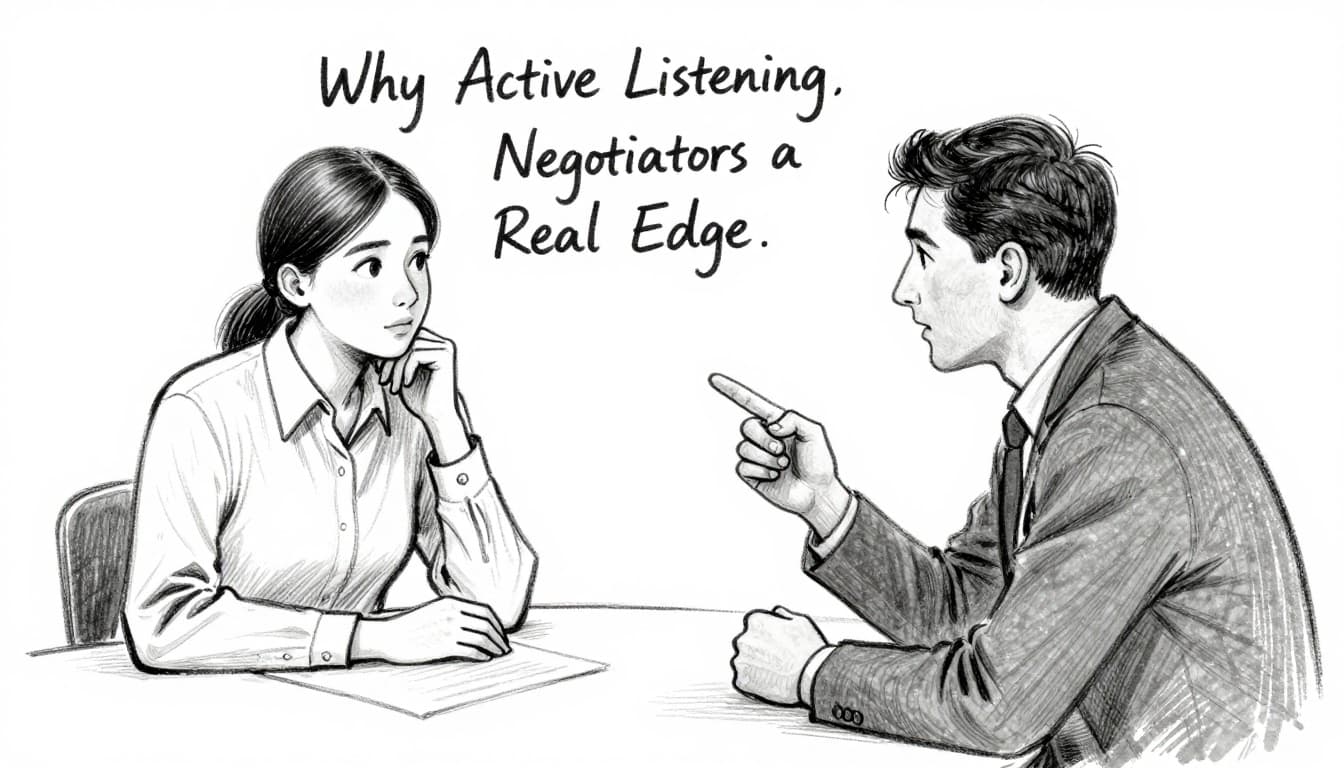
Why Active Listening Gives Negotiators a Real Edge
Tense negotiations often stall. Active listening calms them. You nod and reflect back concerns. The other side relaxes. They explain more.
Rapport grows because you show care. People open up. They reveal priorities you missed. For example, a sales rep listens to a buyer’s budget woes. Instead of pushing price, she suggests payment plans. The deal closes.
It uncovers hidden interests. Creative solutions follow. Common ground appears. Agreements feel fair.
You gain info without pressure. In business deals, this speeds closes. Conflicts at work resolve quicker. Power shifts your way. You lead by understanding first.
Consider hybrid setups in 2026. Virtual calls mix with in-person meets. Active listening bridges gaps. It spots cues via video or chat. Deals wrap faster amid market shifts.
Here’s why it pays off:
- Faster resolutions: Deadlocks break as trust builds.
- Stronger bonds: Partners return for future deals.
- Better terms: You spot value others overlook.
Start small. Listen fully in your next team huddle. Watch dynamics shift.
The Core Components That Make Active Listening Work
Active listening rests on four parts. Master them. Negotiations improve right away.

Paraphrasing to Confirm You Get Their Point
Paraphrase their words in your own. Say, “It sounds like price and timeline worry you most. Right?” This clears confusion early.
Trust builds. They know you track details. In a contract talk, paraphrase risks. Missteps vanish. Tip: Keep it brief. Always end with a question.
Asking Open-Ended Questions to Dig Deeper
Pose questions like, “What matters most here?” Avoid yes/no traps. Skip “why” ones; they feel accusatory.
You learn true needs. In salary chats, ask about career goals. Tailor offers fit better. Info flows. Deals sweeten.
Acknowledging Feelings to Build Empathy
Name emotions. Try, “That sounds frustrating.” Add nods or eye contact. They feel heard. Defenses drop.
In vendor spats, say, “You seem concerned about reliability.” Dialogue opens. Tensions ease.
Sharpening Emotional Intelligence for True Insight
Step into their shoes. Spot unspoken drivers. Link fear to anger in partnership talks. Address roots.
Success follows. You read motives. Solutions stick. Practice spots subtle shifts.
Hands-On Techniques to Practice Active Listening
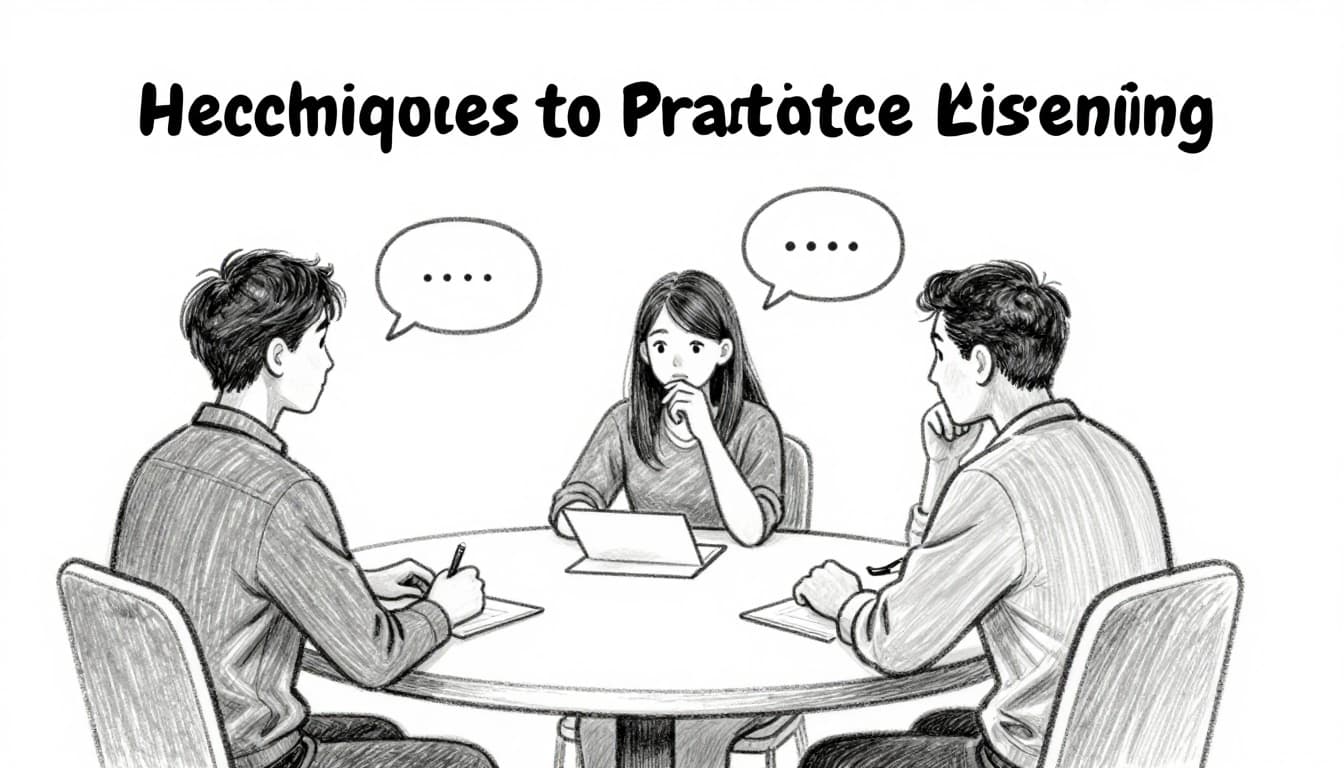
Techniques make listening stick. Practice in casual chats first. Use these four in real negotiations.
Embrace Silence After They Speak
Stay quiet post-statement. They fill gaps. Reveal extras. After a complaint, pause. Details emerge.
Count to five inside. Resist urges. In price haggles, silence prompts concessions.
Mirror Key Words to Encourage More Talk
Repeat their last words as a question. “Delivery time?” It shows focus. They expand.
Use in budget debates. Don’t overdo. Pick power phrases.
Drop in Minimal Encouragers Like ‘I See’
Say “uh-huh” or “tell me more.” Nod too. Keeps flow without cuts.
Great for long Zoom calls. Momentum holds. They stay engaged.
Use Tactical Empathy to Label and Guide
Spot feelings. Label them: “Speed seems key for you.” Draws out truths. Sparks fixes.
Breakthroughs happen. Ties to Harvard’s tips on listening for win-win outcomes.
Benefits That Pay Off, Mistakes to Skip, and Stories That Stick
These tools deliver. Now see wins, traps, and proof.
Tangible Wins from Better Listening in Talks
Deadlocks shatter. Trust soars. Creative pacts form. In 2026 hybrids, listening handles AI aids and video lags. You grab 60% more value.
Teams align better. Check Darden’s take on listening for negotiation gains.
Pitfalls That Ruin Your Listening Efforts
Errors sabotage fast. Here’s five with fixes:
Fake nods fool no one. They sense disinterest. Focus eyes instead.
Plan replies mid-talk. You miss points. Breathe. Respond later.
Interrupt eagerly. Flow breaks. Wait fully.
Ask too many “why”s. Sounds grilling. Switch to “what” or “how.”
Selective hearing ignores bad news. Hear all. Paraphrase fully.
Avoid these. Results improve. See more at Negotiations Ninja on common errors.
Real Negotiation Examples That Bring It Home

Business merger stalled. Team paraphrased fears: “You worry about culture fit?” Concerns aired. Deal signed.
Sales call hesitated. Label: “Seems trust issues linger.” Buyer shared past woes. Custom fix won it.
Crisis budget cut. Silence after rant. Execs added context. Compromise saved jobs.
These show power.
Active listening skills turn negotiations into partnerships. Components plus techniques build trust. Wins follow.
Try silence next time. Notice shifts.
What’s your toughest listening hurdle? Comment below. Share this. Subscribe for more tips.