
Picture this. You walk into a car dealership, excited about a sleek SUV. The salesperson pushes hard on price. You cave because you skipped homework on market values. You drive off feeling ripped off. Now contrast that. A friend asks for a raise. She preps data on her wins, knows her market rate, and listens to her boss’s concerns. She lands a 15% bump plus perks.
These stories show negotiation isn’t luck. Bad habits sink deals. Good ones build skills. Habits like solid prep and active listening turn average talks into wins. Books like Getting to Yes stress principled approaches. Recent 2026 Vantage Partners data backs it. Top negotiators grab 60% more value through preparation, listening, and emotional smarts amid tougher markets.
Master these seven habits. They compound over time. You’ll close better deals year after year.
Start with Rock-Solid Preparation Every Time
Preparation sets the stage for every strong negotiation. Skip it, and you react instead of lead. Experts agree. A solid BATNA, your best alternative if talks fail, boosts confidence. It stops desperation.
First, define clear goals. Know your best case, realistic target, and walk-away point. Research the other side too. Check their recent news or LinkedIn for pressures. This uncovers trade options.
In 2026 trends, deals grow adversarial. Preparation counters that. Top teams align early and use data.
Here’s a simple prep checklist before salary talks:
- List your achievements with numbers, like “boosted sales 20%.”
- Find market rates on sites like Glassdoor.
- Build BATNA: line up job offers or freelance gigs.
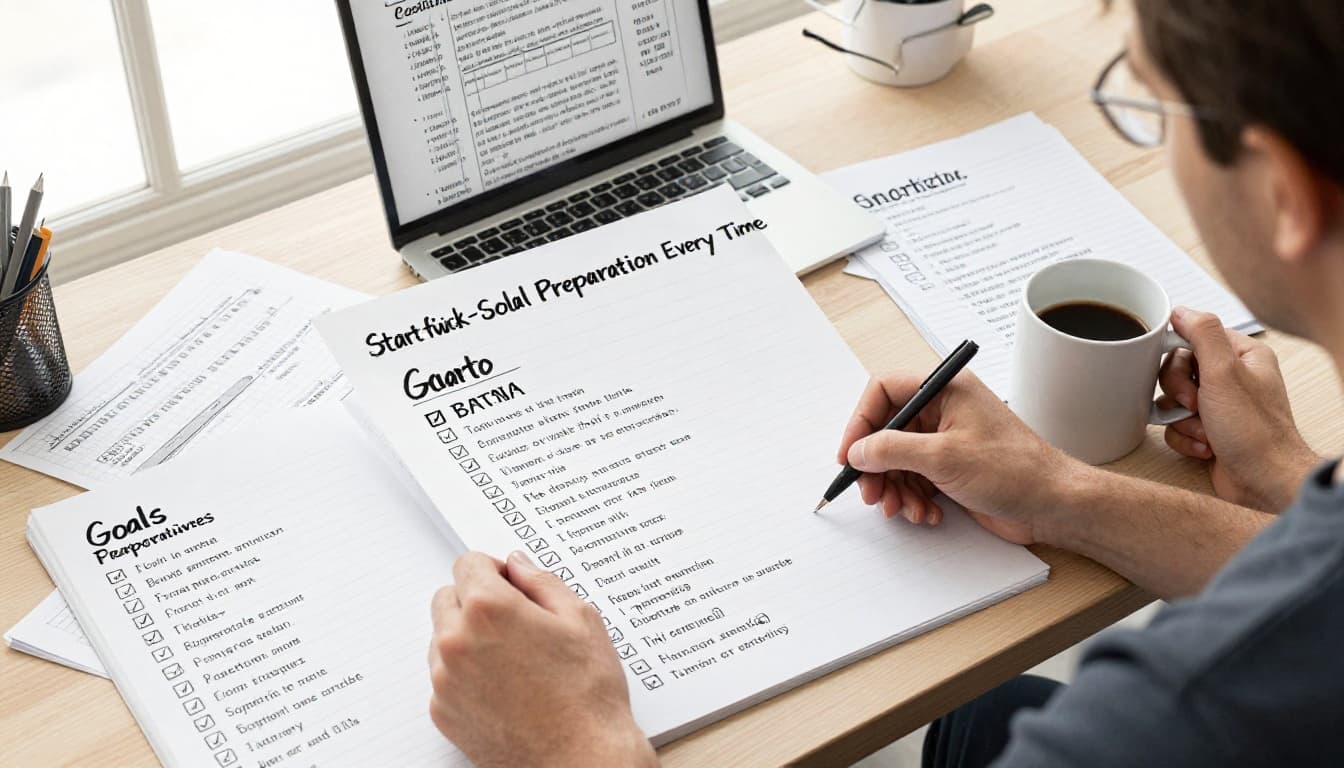
Define Your Goals and BATNA First
BATNA means your plan B if no deal happens. Say you negotiate a job offer. Apply elsewhere first. Those offers become leverage.
Set goals in layers. Best case: 20% raise. Realistic: 12%. Worst: current pay. This keeps you flexible yet firm. Strong BATNA prevents weak accepts. Check how to strengthen your BATNA before negotiating for steps.
Research What the Other Side Really Wants
Dig into their world. Review company earnings or vendor shifts. Ask contacts for insights.
This reveals pain points. A supplier short on cash might trade volume for price. In one business deal, research showed a buyer’s expansion rush. Seller offered phased payments. Both won.
Prep takes time. Yet it pays off. Practice it weekly.
Listen Actively to Uncover Hidden Opportunities
Active listening tops 2026 skills lists. Talks turn tough, but hearing needs builds trust fast. Follow the 70/30 rule. Listen 70% of the time. Talk 30%.
Show engagement. Nod. Hold eye contact. Restate points: “You worry about timelines, right?” This uncovers gems.
Interrupting kills rapport. Listening shifts power. You spot motivations.
In sales, a rep listened past objections. Buyer shared budget woes. Rep bundled services. Deal closed higher.
Practice daily. It sharpens over months.
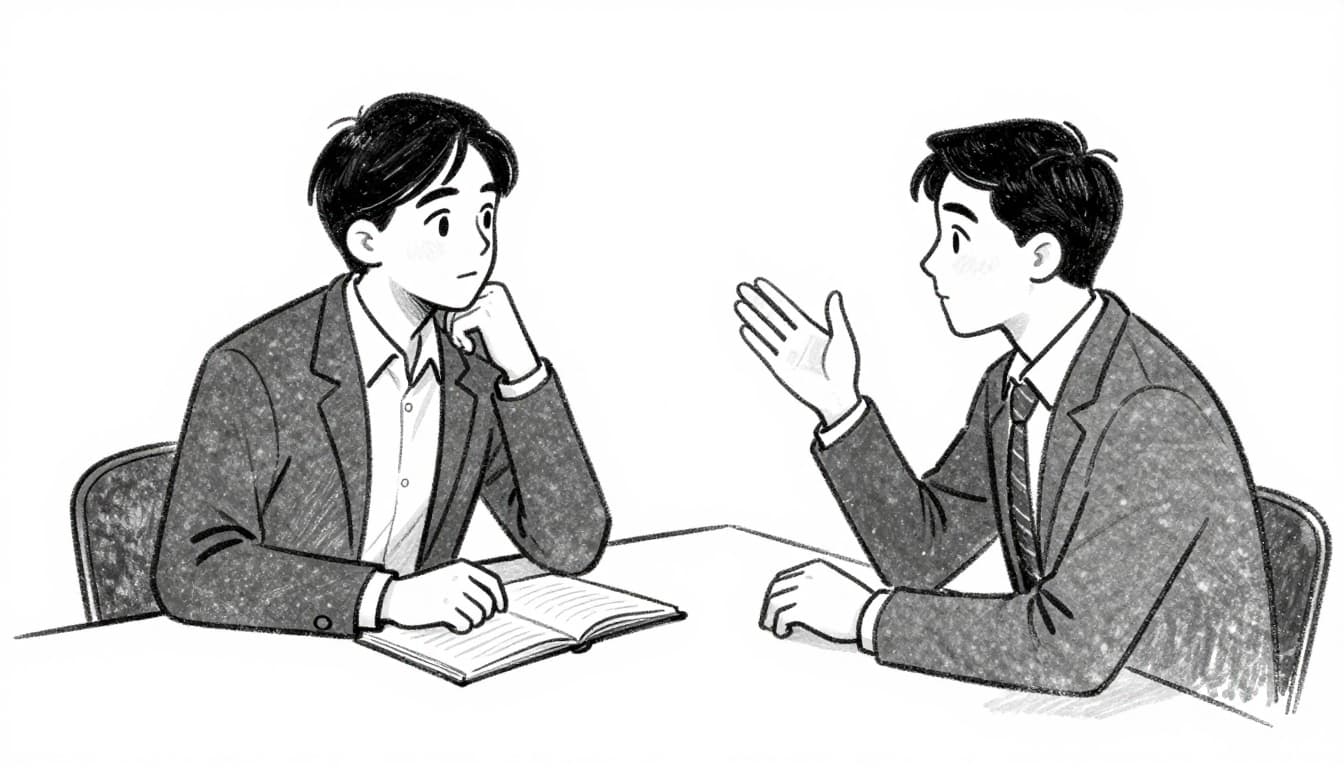
Follow the 70/30 Rule Religiously
Act like a detective. Let them fill silence. You learn real drivers.
Benefits stack. Spot weak spots. Build alliances. Vantage data shows listeners create value beyond price.
Ask Open-Ended Questions That Dig Deep
Skip yes/no traps. Ask “What challenges hit your team?” Not “Is price ok?”
This draws stories. One negotiator asked about goals. Client revealed expansion plans. Package added consulting. Win-win.
Questions empower you long-term.
Build Lasting Relationships Beyond Single Deals
Deals repeat with trust. Start rapport early. Studies show connected pairs agree more.
Chat weather or hobbies first. Smile on video calls. Find shared ground, like kids’ sports.
Take long view. Use “I” statements: “I see your point because…” Avoid attacks.
Negotiate process upfront. Agree on turns to speak.
Repeat clients stem from this. One seller built ties over years. Got preferred status.
Create Rapport in the First Few Minutes
Share quick stories. “I love hiking too.” Mirror pace.
Online works same. Camera on builds bonds. See ways to build rapport before you negotiate for tips.
Habits like these foster loyalty.
Master Emotional Control and Flexibility
Emotions cloud judgment. Stay calm to spot options. Emotional intelligence rules tough 2026 talks.
Frame as joint solve. Not win-lose. Find overlaps first.
Flex as needed. Compromise on smalls for big gains.
In real estate, buyer flexed on close date. Got price cut plus repairs.

Keep Your Cool Under Pressure
Breathe deep. Pause replies. Count to five.
This aids repeats. Calm pros think clear. Check emotional intelligence in negotiation.
Flexibility creates value.
Reflect and Practice to Sharpen Skills Continuously
Reflection cements growth. After talks, review alone.
Note wins, slips, tweaks. Practice low-stakes, like market haggles.
2026 trends push perspective-taking. Journal tracks progress.
Debriefs build pros.

Debrief Every Negotiation Honestly
Ask: What worked? What to fix? Next application?
See negotiation debriefing for success.
Practice turns habits permanent.
Prep, listen, relate, control emotions, reflect. These build mastery. Small steps compound. Top negotiators win big through them.
Pick one today. Prep your next talk. Track wins in a journal. As Chris Voss says, “He who has learned to disagree without being disagreeable gets the good deals.” Start now. Negotiate stronger forever.